
Dance Recital Recovery: What Every Dancer Should Do After Performance Weekend

Months of preparation. Countless rehearsals. Costume changes. Long days backstage. The excitement of performing under the lights.
Dance recital season is one of the most rewarding times of the year—but it can also be one of the most physically demanding.
Many dancers finish recital weekend feeling sore, exhausted, stiff, and surprisingly run down. While that might seem normal, how a dancer recovers in the days following a recital can have a major impact on their long-term performance, injury risk, and readiness for summer training.
Why Dancers Feel So Different After Recital Weekend
A recital isn't just one performance.
Most dancers spend multiple days rehearsing, performing, standing backstage, changing costumes, and repeating routines multiple times. Add in the emotional excitement, late nights, and altered eating schedules, and it's easy to see why the body feels depleted afterward.
Common complaints after recital weekend include:
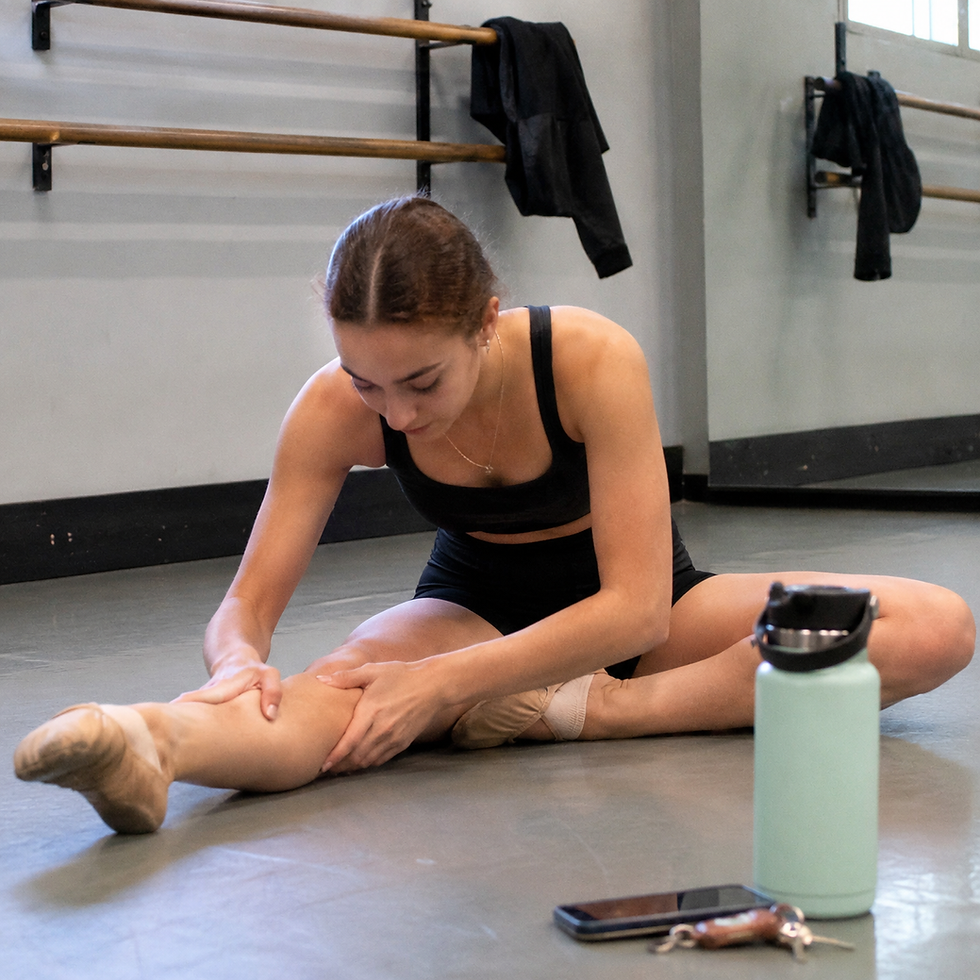
Tight calves and hamstrings
Hip soreness
Low back stiffness
Foot and ankle pain
Fatigue and decreased energy
Knee discomfort
Neck and shoulder tension
While some soreness is expected, persistent pain is not.
The First 48 Hours Matter
The goal immediately after recital weekend isn't to jump right back into intense training. Instead, focus on helping the body recover.
Prioritize Sleep
Sleep is the body's most powerful recovery tool.
After recital weekend, dancers should aim for:
8–10 hours of sleep per night
Consistent bedtime routines
Limiting screens before bed when possible
Recovery happens when the body rests.
Rehydrate
Many dancers underestimate how dehydrated they become during long rehearsal and performance days.
Encourage:
Water throughout the day
Electrolytes if sweating was significant
Fruits and foods with high water content
Even mild dehydration can contribute to muscle soreness and fatigue.
Keep Moving
Recovery doesn't mean sitting on the couch for three days.
Light movement helps restore circulation and reduce stiffness.
Good options include:
Easy walks
Gentle stretching
Light mobility exercises
Easy swimming
The key is movement without intensity.
Watch for Signs Something Isn't Right
Sometimes recital season reveals an underlying issue that has been brewing for months.
Pay attention if a dancer experiences:
Pain that lasts longer than a few days
Swelling
Limping
Pain that worsens with activity
Recurrent ankle, knee, hip, or back discomfort
These are signs the body may need more than rest.
Too often dancers push through symptoms all summer, only to start the next season already behind.
Recovery Creates Better Performance
The strongest dancers aren't always the ones who train the hardest.
They're the ones who recover effectively.
When dancers give their bodies time to recover, they can:
Return to training feeling stronger
Improve flexibility and mobility
Reduce injury risk
Build confidence for the next season
Continue doing what they love without setbacks
Our Recommendation
Use recital season as a checkpoint.
If your dancer has been dealing with aches, pains, recurring injuries, or limitations that have been ignored during the busy season, now is the perfect time to address them. A comprehensive movement assessment can help identify limitations before they become injuries and create a plan that keeps dancers performing at their best. After all, the goal isn't just to survive recital season. It's to come back stronger for everything that comes next. Schedule a call with an expert today so we can learn more about you and get you or your dancer out of pain.


.png)


Comments